Packing school lunch can feel like a small daily puzzle. You want something nourishing, your child wants something familiar, and everyone is trying to get out the door on time. Then the lunchbox comes home with one bite missing from the sandwich and all the fruit untouched.
The goal is not to create a perfect lunch every day. The goal is to pack food your child is likely to eat, with enough variety to keep them fueled through school. A simple system can make mornings easier and reduce wasted food.
Start With a Simple Lunch Formula
Instead of thinking of lunch as one main item plus random extras, try using a basic formula. This helps you pack a balanced lunch without overthinking it.
A helpful school lunch usually includes:
- Protein: turkey, chicken, cheese, yogurt, eggs, beans, hummus, tuna, or nut-free seed butter if allowed
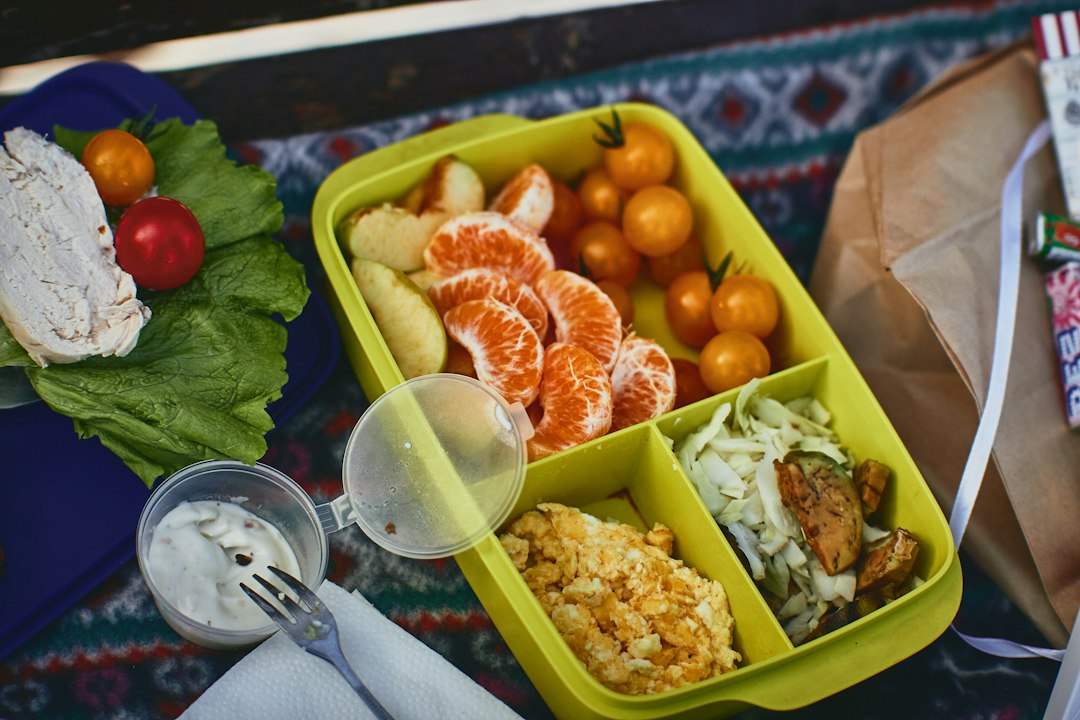
- Fruit or vegetable: apple slices, berries, grapes, oranges, carrots, cucumbers, peppers, peas, or cherry tomatoes
- Whole grain or filling carbohydrate: bread, tortillas, rice, pasta, crackers, pita, muffins, or leftover potatoes
- A small extra: pretzels, popcorn, a homemade treat, granola, or a favorite crunchy snack
This formula keeps lunch flexible. A turkey sandwich, carrot sticks, and an apple works. So does pasta with chicken, cucumber slices, and a small container of fruit. The pieces can change, but the structure stays the same.
Think Beyond the Sandwich
Sandwiches are convenient, but not every child enjoys eating them day after day. If your child is tired of sandwiches, rotate in easy alternatives that still pack well.
Try tortilla roll-ups with cream cheese and turkey, cheese quesadilla triangles, pasta salad, rice bowls, pita pockets, hard-boiled eggs with crackers, or mini bagels with a simple filling. Leftover dinner can also make a great lunch if your child likes it cold or has access to a thermos.
A lunch does not need to look traditional to be useful. A snack-style lunch with cheese cubes, crackers, fruit, vegetables, and a boiled egg can be just as filling as a sandwich.
Use a Thermos the Right Way
Warm lunches can make school meals more appealing, especially for children who do not love cold food. Soup, chili, pasta, rice, oatmeal, meatballs, and leftovers can all work well in a thermos.
For best results, fill the thermos with hot water for a few minutes before adding food. Empty the water, add food that is heated until steaming hot, then close the lid tightly. This helps the food stay warm longer.
Keep portions realistic. A full thermos may look generous in the morning, but children often have limited time to eat. Smaller portions are easier to finish and less discouraging when lunch time is short.
Make Fruits and Vegetables Easier to Eat
Many kids are more likely to eat fruits and vegetables when they are ready to grab. Whole apples and unpeeled oranges often come home untouched, not because children dislike them, but because they are awkward or time-consuming at lunch.
Slice apples and toss them with a little lemon juice if browning bothers your child. Peel oranges or pack clementine segments. Cut cucumbers, peppers, and carrots into thin sticks. Remove grape stems. Pack dips like hummus, ranch, guacamole, or yogurt-based dip if that helps your child enjoy vegetables.
If your child consistently ignores a certain food, take note. Lunch is not always the best place to introduce something brand new. Save new foods for home, where there is less pressure and more time.
Let Kids Help Choose
Children are more likely to eat lunch when they have some say in what goes into it. This does not mean they get unlimited choices. It means offering simple options within boundaries.
You might ask, “Do you want grapes or apple slices?” or “Would you rather have a wrap or pasta tomorrow?” Giving two acceptable choices keeps lunch manageable while helping kids feel involved.
Older children can help pack part of their lunch the night before. Younger children can choose a fruit, place napkins in lunchboxes, or pick between two snacks. These small jobs build independence and can make lunch feel more personal.
Prepare a Few Items Ahead
School mornings are easier when some lunch pieces are already ready. You do not need a full meal prep session to make a difference. Even ten minutes after dinner can help.
Wash grapes, cut vegetables, portion crackers, boil eggs, or pack leftovers into containers. Keep lunch-friendly items together in one spot in the fridge or pantry so you are not searching for everything in the morning.
If your child eats the same foods often, make a small lunch list and keep it on the fridge. When you feel stuck, you can glance at the list instead of trying to invent something before coffee.
Keep Food Safety in Mind
School lunches may sit in a backpack or cubby for hours, so it is important to pack them safely. Use an insulated lunch bag with an ice pack for foods that need to stay cold, such as yogurt, cheese, deli meat, eggs, and cut fruit.
If packing hot food, use a thermos designed to hold heat. Do not mix hot and cold items in a way that makes both temperatures less effective. Teach children to close containers tightly and throw away food that has been sitting out too long after lunch.
Also check your school’s allergy rules. Many classrooms and cafeterias have specific guidelines about peanuts, tree nuts, or other foods. Knowing the rules ahead of time prevents surprises.
Watch What Comes Home
The lunchbox tells a story. If the main meal keeps coming back uneaten, the portion may be too large, the food may be hard to eat quickly, or your child may simply not like it at school. If only the snack is eaten, the snack may be too filling or too tempting to eat first.
Try asking calm, specific questions. “Was the sandwich soggy?” “Did you run out of time?” “Were the carrots too hard to chew?” This works better than sounding frustrated about wasted food.
You may discover simple fixes. Put sauce on the side. Cut sandwiches into smaller pieces. Pack fewer crackers. Choose softer fruit. Sometimes one small change makes the whole lunch work better.
Easy Lunch Ideas to Rotate
Having a few dependable lunches can make the week feel smoother. Rotate these based on what your child likes and what you already have at home.
- Turkey and cheese roll-ups, cucumber sticks, berries, and pretzels
- Pasta with chicken, peas, fruit slices, and a small treat
- Hummus with pita, carrots, grapes, and cheese cubes
- Hard-boiled egg, crackers, apple slices, and yogurt
- Bean and cheese quesadilla triangles, salsa, orange slices, and corn chips
- Mini bagel with cream cheese, cherry tomatoes, fruit, and popcorn
- Soup in a thermos, whole grain crackers, and cut fruit
Repeating lunches is perfectly fine. Many children prefer familiar foods, and families need routines that are realistic. If your child is eating, has enough energy for the school day, and the mornings feel less stressful, the lunch is doing its job.